
Power Tool Safety Basics Everyone Should Know
Power tools are brilliant for saving time and effort, but they work quickly and do not forgive mistakes. Most accidents come from carelessness, rushing, or skipping basic precautions. These habits apply to nearly every tool in your workshop.
Wear the right protective equipment
- Eye protection whenever you cut, drill, or sand.
- Hearing protection around loud tools such as saws and routers.
- A dust mask or respirator when sanding or cutting materials that produce fine dust.
- Sturdy shoes and close-fitting clothing, with long hair tied back.
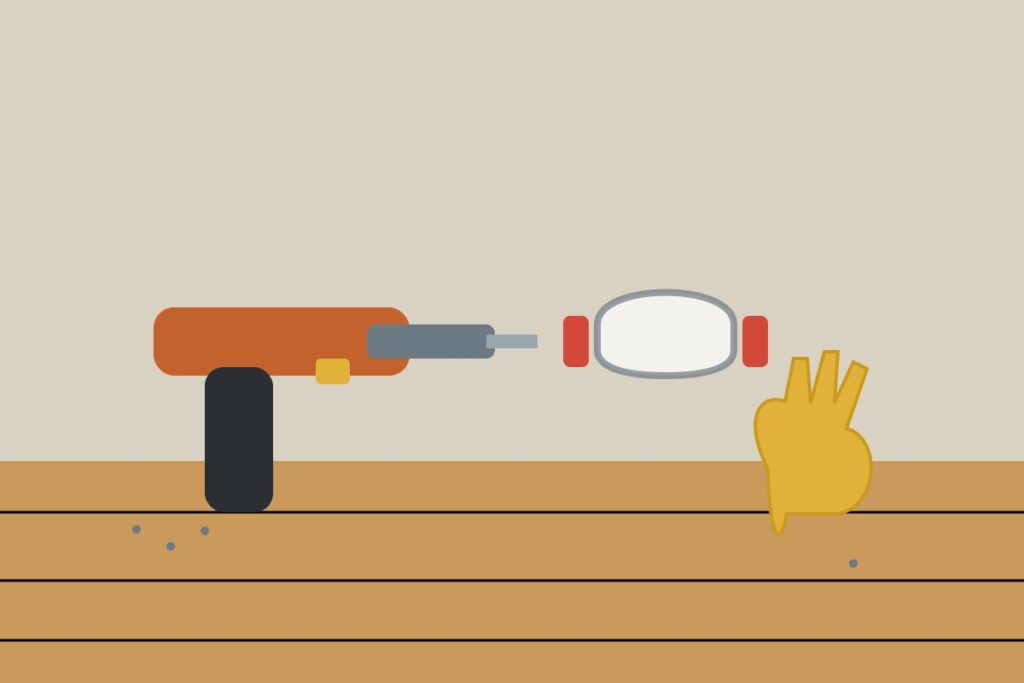
Take care with gloves. They protect against splinters and sharp edges, but loose gloves can get caught in rotating tools such as drill presses, so check the manual for the tool you are using.
Read the manual
It sounds obvious, but the manual explains how to set up the tool, what blades or bits to use, and the maximum capacity. It is worth ten minutes before you start.
Secure the workpiece
Use clamps or a vice to hold material steady. Holding a piece by hand while cutting or drilling is one of the most common causes of injury.
Before changing a blade or bit
Always unplug the tool or remove the battery first. Accidental starts happen quickly, and this simple step prevents them.
Keep the area safe
- Keep the workspace clean and well lit.
- Keep children and pets away.
- Use cords of the right rating and avoid damaged cables.
- Use a residual current device or GFCI outlet, especially outdoors or in damp places.
- Keep guards in place and do not remove safety features.
Know your limits
If you feel tired, rushed, or unsure how to do a cut, stop. Look for instructions or ask for advice. No project is worth an injury.
Safe habits become automatic with practice. Build them from the start.