
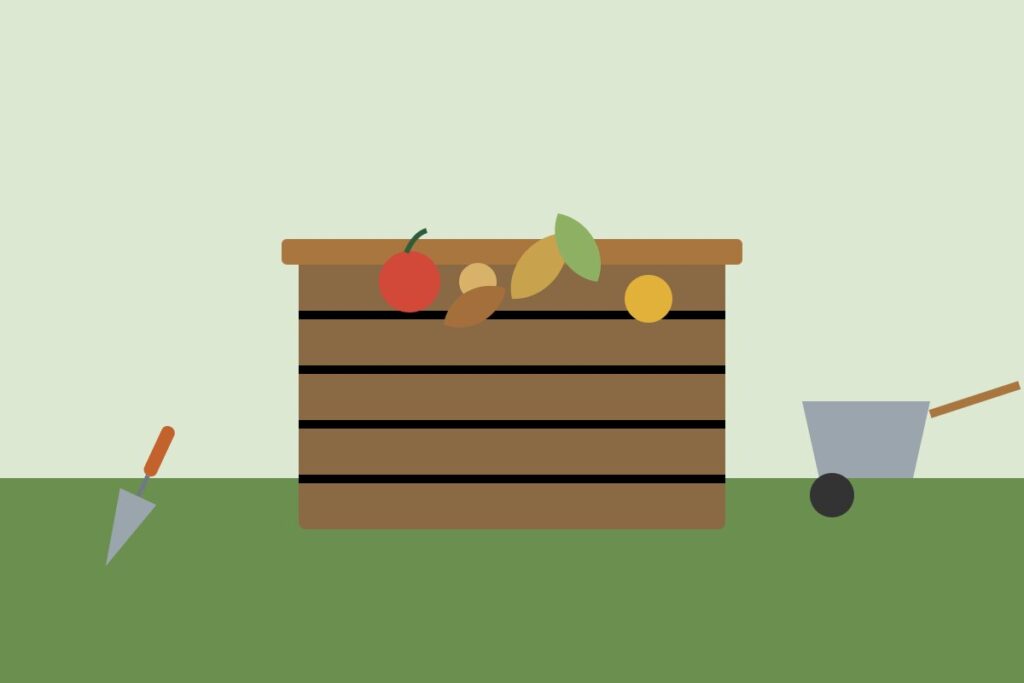
Composting 101: How to Turn Scraps into Soil
Compost is the easiest way to feed your soil for free. It improves structure, holds moisture, and supports the tiny organisms that keep plants healthy. All you need is a pile or bin, the right mix of materials, and a little patience.
Greens and browns
Compost needs a balance between two groups. Greens are moist, nitrogen-rich materials such as vegetable scraps, fruit peels, coffee grounds, and fresh grass clippings. Browns are dry, carbon-rich materials such as dry leaves, straw, shredded paper, and cardboard. A common guideline is about two to three parts browns to one part greens by volume, which you can adjust as you learn how your pile behaves.
What to leave out
- Meat, fish, and dairy, which can smell and attract pests.
- Oily or cooked food.
- Pet waste, which can carry pathogens.
- Diseased plants and weeds that have gone to seed.
Set up your pile
Choose a spot with good drainage and some shade or sun, depending on your climate. Start with a layer of coarse material such as twigs for airflow, then alternate greens and browns. Chop larger pieces into smaller ones so they break down faster.
Keep it moist and aerated
The pile should feel like a wrung-out sponge. If it is too dry, add water or greens. If it is soggy or smelly, add browns and turn it. Turning every week or two with a fork adds oxygen and speeds things up.
How long does it take?
Depending on temperature and how often you turn it, compost can be ready in a few months to a year. It is finished when it is dark, crumbly, and smells earthy, and you can no longer identify the original materials.
Using your compost
- Mix it into planting beds before sowing.
- Spread a thin layer around plants as a top dressing.
- Blend it into potting mixes or raised bed soil.
A small bin and a few weeks of habit will change the way you look at kitchen waste.